

What Is a Visa? Complete Guide for Indian Travellers: Types, Process, Documents, Fees & Processing Time
Planning your first international trip from India? Getting your passport is only the first step. Depending on your destination and nationality, you may also need a visa to enter another country.
.jpeg)
For first-time international travellers, the visa process can seem confusing. Questions such as “What is a visa?”, “How do I apply for a visa?”, “What documents are required?”, “How much does a visa cost?”, “How long does visa processing take?” and “Why can a visa application be rejected?” are very common.
This complete guide explains the visa process in simple English, especially for Indian travellers planning international holidays.

Nepal Travel Guide: Best Places to Visit, Things to Do, Best Time to Visit & Travel Tips
Explore the best places to visit in Nepal, including Kathmandu, Pokhara, Nagarkot and Chitwan. Discover attractions, activities, itineraries and the best time to visit.
Important: Visa rules are different for every country and can change frequently. Always check the destination country's official immigration or embassy website for the latest requirements before applying.
.jpeg)
What Is a Visa?
A visa is an authorization granted by a country that allows a foreign traveller to request entry for a specific purpose and period, subject to that country's immigration rules.
Depending on the destination, a visa may be issued as:
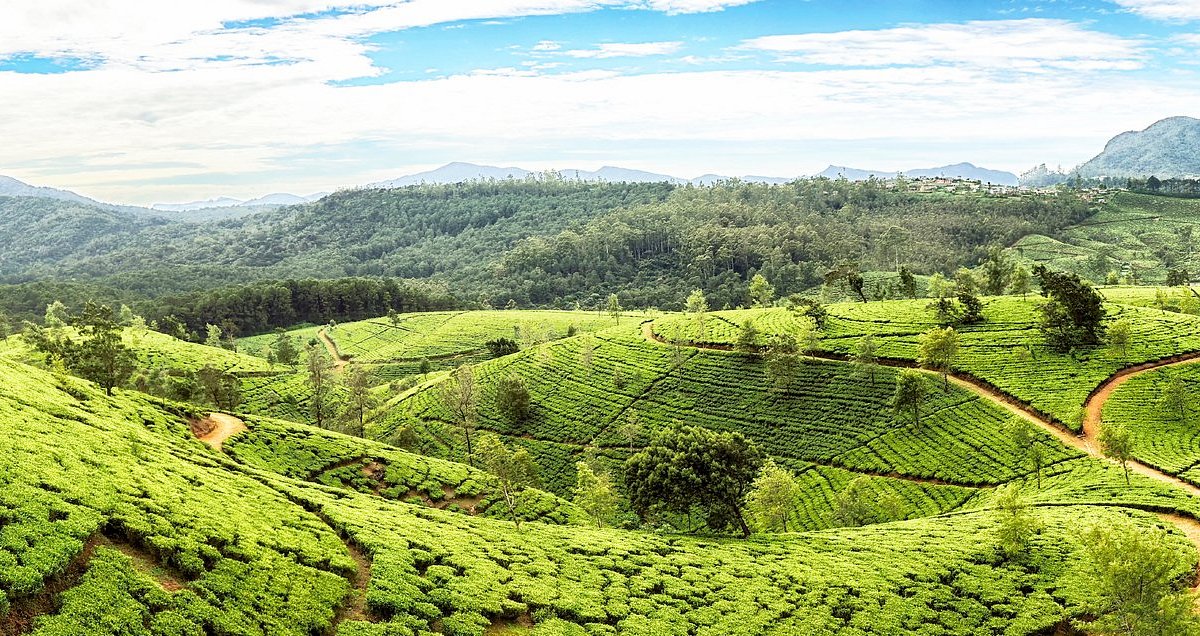
Sri Lanka Travel Guide: Best Places to Visit, Things to Do, Best Time to Travel & Holiday Tips
Explore the best places to visit in Sri Lanka, including Ella, Sigiriya, Kandy, Mirissa and Yala. Discover attractions, travel tips, itineraries and the best time to visit.
- A sticker or stamp in your passport
- An electronic visa (e-Visa)
- An electronic travel authorization
- A separate travel document
- A visa issued on arrival
A visa does not necessarily guarantee entry. The final decision to admit a traveller is generally made by immigration authorities at the border.
Why Do You Need a Visa?
Countries establish visa requirements to regulate the entry of foreign nationals.
A visa may be required depending on:

Best Places to Visit in Switzerland: Top Attractions, Things to Do & Travel Guide
Discover the best places to visit in Switzerland, including Lucerne, Interlaken, Zermatt and Jungfraujoch. Explore attractions, itineraries, travel tips and the best time to visit.
- Your nationality
- Destination country
- Purpose of travel
- Length of stay
- Type of passport
- Previous travel history
- Immigration rules of the destination
For example, an Indian citizen may have different visa requirements for travelling to France, Thailand, Singapore, the United States, the UAE or the Maldives.
Therefore, never assume that the visa process is the same for every country.
Do Indians Need a Visa for Every Country?
No.
Indian passport holders may be able to travel to some destinations:
- Without a visa
- With a visa on arrival
- With an e-Visa
- With an electronic travel authorization
- With a traditional embassy/consulate visa
The rules depend entirely on the destination and can change.
Before booking an international trip, check the current entry requirements for Indian passport holders.
Main Types of Visas
There are several types of visas depending on the purpose of travel.
1. Tourist Visa
A tourist visa is designed for people travelling for tourism and holidays.
It may allow activities such as:
- Sightseeing
- Holidays
- Visiting attractions
- Leisure travel
- Visiting friends or relatives, depending on the visa conditions
A tourist visa normally does not permit employment.
2. Business Visa
A business visa may be required when travelling for certain business-related activities.
Examples can include:
- Business meetings
- Conferences
- Trade events
- Negotiations
- Business discussions
- Professional events
The activities permitted under a business visa vary by country.
3. Student Visa
Students who plan to study at a foreign educational institution may need a student visa.
The application may require documents such as:
- University/college admission letter
- Proof of funds
- Passport
- Academic documents
- Medical or insurance documents, where applicable
- Visa application form
- Photographs
- Other country-specific documents
4. Work Visa
If you want to work in another country, you generally need the appropriate work authorization or visa.
A tourist visa should not be assumed to permit employment.
Work visa requirements may include:
- Employment offer
- Employer sponsorship
- Employment contract
- Educational qualifications
- Work experience
- Police clearance
- Medical examination
- Proof of funds
Requirements vary considerably by country and occupation.
5. Transit Visa
A transit visa may be required when you are travelling through one country on your way to another destination.
Whether you need one depends on factors such as:
- Your nationality
- Airport
- Transit duration
- Whether you leave the airport
- Connecting flight arrangements
- Destination country
- Airline routing
Always check transit requirements before booking flights with long connections.
6. Family or Visit Visa
Some countries offer visas for people visiting:
- Family members
- Friends
- Relatives
- Partners
Additional documents, such as an invitation letter or proof of relationship, may be required.
7. Medical Visa
A medical visa may be required when travelling specifically for medical treatment.
Supporting documents can include:
- Medical reports
- Hospital appointment
- Treatment confirmation
- Doctor's recommendation
- Financial documents
Requirements depend on the destination country.
8. E-Visa
An e-Visa is an electronic visa application or authorization that can often be completed online.
Depending on the country, applicants may need to:
- Complete an online application.
- Upload documents.
- Pay the applicable fee.
- Receive approval electronically.
- Carry the electronic visa/approval while travelling.
Some countries require travellers to print the approval, while others link the authorization electronically to the passport.
9. Visa on Arrival
A Visa on Arrival (VoA) is issued after the traveller arrives at a designated entry point, if they meet the country's eligibility requirements.
However, Visa on Arrival does not mean you can automatically enter without preparation.
You may still need:
- Valid passport
- Return/onward ticket
- Hotel booking
- Proof of funds
- Travel insurance
- Passport-size photographs
- Visa fee
- Other supporting documents
Always verify the current rules before departure.
Visa-Free Travel
Some destinations may allow eligible Indian travellers to enter without obtaining a visa before departure.
However, visa-free entry can still come with conditions such as:
- Maximum stay period
- Passport validity
- Return ticket
- Hotel/accommodation details
- Proof of funds
- Travel insurance
- Purpose of travel
Visa-free does not mean entry is guaranteed.
Immigration authorities can still check your eligibility when you arrive.
What Is the Difference Between Visa-Free, Visa on Arrival and E-Visa?
| Travel Authorization | Application Before Travel? | Where Is It Obtained? |
|---|---|---|
| Visa-Free | Usually no visa application | Entry point |
| Visa on Arrival | Usually no pre-issued visa, but eligibility may need to be established | Airport/border |
| E-Visa | Yes | Online |
| Embassy Visa | Yes | Embassy/Consulate/Visa Centre |
| ETA/Travel Authorization | Usually online | Before travel |
The exact terminology and requirements vary between countries.
How to Apply for a Visa?
The process depends on your destination, but the general process looks like this.
Step 1: Check Whether You Need a Visa
Before doing anything else, find out whether Indian passport holders need a visa for your destination.
Check the destination country's:
- Official immigration website
- Embassy/consulate website
- Official visa application portal
Do not rely solely on social media posts or outdated travel blogs.
Step 2: Select the Correct Visa Type
Choose the visa based on your actual purpose of travel.
For example:
Holiday → Tourist Visa
Study → Student Visa
Employment → Work Visa
Business meeting → Business Visa
Selecting the wrong visa category can result in delays or refusal.
Step 3: Check Passport Requirements
Your passport should meet the destination country's requirements.
Many countries require a passport to have a certain amount of validity remaining beyond your intended stay.
Some destinations may also require:
- Blank passport pages
- Machine-readable passport
- Biometric passport
- Previous passports
- Copies of passport pages
Always check the exact requirement for your destination.
Step 4: Complete the Visa Application Form
Depending on the country, the application may be:
- Completely online
- Paper-based
- Online followed by an appointment
- Submitted through an authorized visa centre
You may be asked for information such as:
- Full name
- Date of birth
- Passport details
- Address
- Occupation
- Travel dates
- Travel history
- Accommodation
- Purpose of travel
- Family information
- Financial information
Fill in the application carefully.
Step 5: Prepare the Required Documents
Visa documents vary by country and visa type.
However, tourist visa applications commonly require some combination of the following.
Basic Documents
1. Valid Passport
Your passport must meet the destination's validity requirements.
2. Visa Application Form
Complete the relevant form accurately.
3. Passport-Size Photograph
Some countries specify exact:
- Dimensions
- Background
- Facial position
- Photo age
- Digital format
Follow the country's photo specifications.
4. Flight Reservation
Some visa applications may request proof of intended travel.
Avoid purchasing non-refundable tickets before you understand the visa requirements unless the destination specifically requires confirmed travel.
5. Hotel/Accommodation Proof
You may need to show:
- Hotel reservation
- Accommodation address
- Invitation from a host
- Other proof of stay
6. Bank Statement
A bank statement may be requested to demonstrate that you can financially support your trip.
7. Proof of Income
Depending on the application, this could include:
- Salary slips
- Employment letter
- Income Tax Returns
- Business documents
- Other financial evidence
8. Travel Insurance
Some destinations require travel insurance, while others may recommend it.
9. Cover Letter
Certain visa applications may benefit from or require a cover letter explaining:
- Purpose of travel
- Planned dates
- Destination
- Accommodation
- Who is funding the trip
- Intended return
10. Additional Documents
Depending on the country, you may need:
- Invitation letter
- Sponsorship documents
- Marriage certificate
- Birth certificate
- Previous visas
- Previous passports
- Employment documents
- Educational documents
- Business registration documents
Step 6: Pay the Visa Fee
Most visa applications involve a fee.
The amount depends on:
- Destination country
- Visa type
- Applicant's age
- Duration
- Number of entries
- Processing option
- Application centre/service charges
Some fees are non-refundable even if the visa is refused.
Always check the official fee before making payment.
Step 7: Book a Visa Appointment
Some countries require applicants to attend an appointment at:
- Embassy
- Consulate
- Visa Application Centre
- Authorized biometric centre
The appointment may involve:
- Document submission
- Photograph
- Fingerprints
- Identity verification
- Interview
Not every visa application requires an interview.
Step 8: Submit Biometrics
Biometric requirements depend on the destination.
Biometrics can include:
- Fingerprints
- Digital photograph
- Other identity information
If biometrics are required, applicants normally need to attend the designated centre in person.
Step 9: Attend the Visa Interview, If Required
Some countries may ask applicants to attend an interview.
Typical questions can include:
- Why are you visiting?
- Where will you stay?
- How long will you stay?
- Who is paying for your trip?
- What do you do for work?
- Have you travelled internationally before?
- Do you have family or friends in the destination?
- When will you return to India?
Important Tip
Answer truthfully and consistently with your application and supporting documents.
Do not provide false information simply to improve the appearance of your application.
Step 10: Wait for Visa Processing
After submitting your application, the authorities review the information and documents.
Processing time varies significantly between:
- Countries
- Visa types
- Application centres
- Seasons
- Individual cases
Additional verification can sometimes increase processing time.
How Long Does a Visa Take?
There is no single processing time for all visas.
A tourist visa may take anywhere from a relatively short period to several weeks or longer, depending on the destination and individual circumstances.
Factors that can affect processing include:
- Country
- Visa category
- Application completeness
- Season
- Background checks
- Additional document requests
- Interview requirements
- Application volume
Best Practice
If you are planning an international holiday, apply for your visa well before your intended travel date.
Do not assume that paying for faster processing, where available, guarantees approval.
How Much Does a Visa Cost?
Visa fees differ significantly from country to country.
The cost may depend on:
- Destination
- Visa type
- Number of entries
- Duration
- Applicant's nationality
- Age
- Processing speed
- Visa centre service fees
For example, the cost of a tourist visa for one country can be completely different from another.
Therefore, there is no universal "international visa fee."
Always check the official visa fee for your destination.
Single-Entry vs Multiple-Entry Visa
Single-Entry Visa
A single-entry visa generally allows you to enter the destination country once during its validity, subject to its conditions.
If you leave the country, you may not be able to use the same visa to enter again.
Multiple-Entry Visa
A multiple-entry visa can allow multiple entries during the visa's validity, subject to the conditions of the visa.
This can be useful for travellers who plan to visit a destination multiple times.
Visa Validity vs Duration of Stay
These two terms are often confused.
Visa Validity
This refers to the period during which the visa can generally be used for entry, subject to its terms.
Duration of Stay
This refers to how long you are permitted to remain in the destination after entry.
For example, a visa could have a validity period that is longer than the maximum permitted stay per visit.
Always read the visa conditions carefully.
What Is a Visa Rejection?
A visa application may be refused if the immigration authority determines that the applicant does not satisfy the relevant requirements.
Possible reasons can include:
- Insufficient documentation
- Inconsistent information
- Financial evidence that does not satisfy requirements
- Unclear purpose of travel
- Failure to meet eligibility requirements
- Inadequate evidence supporting the application
- Previous immigration issues
- Concerns regarding compliance with visa conditions
- Other country-specific grounds
A refusal does not necessarily mean that the applicant can never obtain a visa. The available options depend on the country's rules and the reason for refusal.
How to Reduce the Risk of Visa Problems
No applicant can guarantee visa approval, but careful preparation can help avoid preventable mistakes.
1. Provide Accurate Information
Never provide false information.
2. Submit Complete Documents
Check the official checklist carefully.
3. Maintain Consistency
Your:
- Application
- Passport
- Bank documents
- Employment details
- Travel itinerary
- Accommodation details
should be consistent and accurate.
4. Explain Your Travel Purpose Clearly
Your application should clearly communicate why you are travelling.
5. Show Genuine Financial Capacity
Your financial documents should accurately represent your circumstances.
6. Apply Early
Give yourself enough time for processing.
7. Check Passport Validity
Make sure your passport satisfies the destination's requirements.
Do You Need a Confirmed Flight Ticket Before Getting a Visa?
This depends on the destination.
Some visa applications may request:
- Flight itinerary
- Reservation
- Return ticket
- Proof of onward travel
Others may not require a confirmed ticket at the application stage.
Do not assume that purchasing a non-refundable flight ticket is mandatory before receiving your visa.
Follow the official instructions for your specific destination.
Do You Need Hotel Booking for a Visa?
Many tourist visa applications ask for accommodation details.
This may be:
- Hotel reservation
- Apartment booking
- Host's address
- Invitation letter
- Other accommodation evidence
The exact requirement depends on the destination.
Do You Need Travel Insurance?
Travel insurance requirements differ between countries.
Some destinations may make insurance mandatory, while others may not.
Even when it is not mandatory, travel insurance can help protect against eligible expenses related to:
- Medical emergencies
- Trip interruption
- Baggage problems
- Travel delays
- Other covered events
Check the specific insurance requirements for your destination.
Can You Apply for a Visa Without a Passport?
In most cases, a valid passport or recognized travel document is required to apply for an international visa.
The visa is often linked to the passport used during the application.
If you renew your passport after receiving a visa, check the destination country's rules before travelling because the visa may need to be transferred or carried with the old passport.
Can a Travel Agency Help With Visa Applications?
A travel agency can assist travellers with tasks such as:
- Understanding document checklists
- Organising paperwork
- Preparing itineraries
- Filling forms
- Appointment assistance
- Travel planning
- Hotel and flight arrangements
However, visa approval is ultimately determined by the relevant government or immigration authority, not by a travel agency.
A travel company should never guarantee visa approval.
Common Visa Mistakes to Avoid
Mistake 1: Applying Too Late
Visa processing can take longer than expected.
Mistake 2: Using an Unofficial Website
Always verify that you are using the official government or authorized visa application website.
Mistake 3: Submitting Incorrect Information
Even small inconsistencies can cause questions or delays.
Mistake 4: Providing Fake Documents
Never submit forged or misleading documents.
Mistake 5: Ignoring Passport Validity
Check the destination's passport validity requirement.
Mistake 6: Booking Everything Before Checking Visa Rules
Understand the visa requirements before committing to expensive non-refundable travel arrangements.
Mistake 7: Assuming Every Country Has the Same Process
Every destination has its own immigration system.
Visa Checklist for Indian Travellers
Before submitting your visa application, check the following:
Passport
☐ Passport is valid
☐ Sufficient blank pages, if required
☐ Passport details are correct
Application
☐ Correct visa category selected
☐ Application form completed
☐ Travel dates checked
☐ Purpose of travel clearly stated
Financial Documents
☐ Bank statement
☐ Salary slips, if applicable
☐ Income Tax documents, if required
☐ Sponsorship documents, if applicable
Travel Documents
☐ Flight itinerary
☐ Hotel/accommodation proof
☐ Travel insurance, if required
☐ Travel itinerary
Supporting Documents
☐ Photograph
☐ Employment letter
☐ Invitation letter, if applicable
☐ Previous visas/passports, if required
☐ Other country-specific documents
Appointment
☐ Visa fee paid
☐ Appointment booked
☐ Biometrics completed, if required
☐ Interview completed, if required
What Should You Do After Receiving Your Visa?
Receiving your visa is an important step, but your preparation is not finished.
Check the visa carefully.
Verify:
- Your name
- Passport number
- Visa type
- Validity dates
- Number of entries
- Maximum permitted stay
- Any special conditions
If you find an error, contact the relevant visa authority before travelling.
What Happens at Immigration?
When you arrive in another country, immigration officers may ask questions about your trip.
They may ask for:
- Passport
- Visa
- Return/onward ticket
- Hotel booking
- Travel itinerary
- Proof of funds
- Other supporting information
Answer questions honestly and follow the country's immigration rules.
Remember that having a visa does not automatically guarantee entry.
Visa Process for First-Time International Travellers
If this is your first international trip from India, follow this simple sequence:
Step 1
Get your passport.
Step 2
Choose your destination.
Step 3
Check whether Indian citizens need a visa.
Step 4
Check the official visa requirements.
Step 5
Select the correct visa category.
Step 6
Prepare your documents.
Step 7
Complete the visa application.
Step 8
Pay the applicable fee.
Step 9
Book your appointment, if required.
Step 10
Submit documents and biometrics.
Step 11
Attend an interview, if required.
Step 12
Wait for the decision.
Step 13
Check your visa carefully after approval.
Step 14
Prepare for your international trip.
Frequently Asked Questions About Visas
1. What is a visa?
A visa is an authorization issued under a country's immigration system that allows an eligible foreign traveller to seek entry for a specified purpose and subject to specific conditions.
2. Do Indian citizens need a visa to travel abroad?
It depends on the destination. Some countries offer visa-free entry, visa on arrival or e-Visa facilities to eligible Indian passport holders, while others require a visa before travel.
3. How long does a visa take?
Processing time varies by destination, visa type and individual application. It can range from a short period to several weeks or longer.
4. How much does a visa cost?
There is no universal visa fee. The cost depends on the destination, visa type, duration, number of entries and other applicable charges.
5. Can I apply for a visa online?
Some countries offer completely online e-Visa applications, while others require applicants to submit documents or biometrics at an embassy, consulate or authorized visa centre.
6. Is a visa guaranteed if I submit all documents?
No. Meeting the document checklist does not automatically guarantee approval. The relevant immigration authority makes the final decision.
7. Can my visa be rejected?
Yes. Applications can be refused for various reasons depending on the destination country's immigration rules.
8. Can I travel after my visa expires?
Generally, you should not attempt to use an expired visa. Check the specific visa conditions and obtain the appropriate authorization before travelling.
9. Can I work on a tourist visa?
Generally, tourist visas are not intended for employment. Always check the destination country's rules before undertaking any work.
10. Can I extend my visa while abroad?
Some countries allow extensions in certain circumstances, while others do not. Never assume that an extension will be available.
11. Is visa approval the same as permission to enter?
No. A visa generally permits an eligible traveller to seek entry, while border/immigration authorities make the final admission decision according to the country's laws.
Final Thoughts
A visa is one of the most important parts of international travel planning.
The process becomes much easier when you understand the requirements before applying. Start by checking whether you need a visa, identify the correct visa category, prepare your documents, complete the application accurately and apply early enough to allow for processing.
For Indian travellers planning their first international holiday, remember this simple rule:
Passport + Correct Visa/Travel Authorization + Required Documents + Valid Travel Plans = Better Prepared International Travel
However, visa rules can change at any time. Always verify the latest requirements through the official immigration authority, embassy or authorized visa application centre of your destination country before making final travel arrangements.
Once your visa is sorted, you can focus on the exciting part—choosing your destination, planning your itinerary and making unforgettable travel memories with Voyatrix Leisure.